
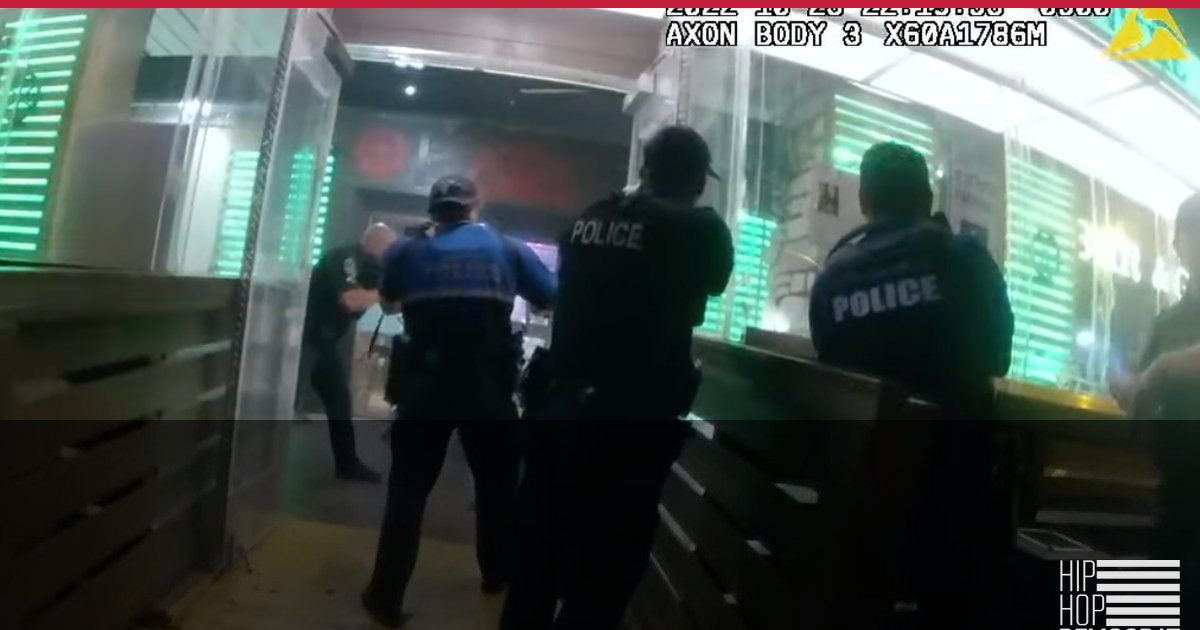
Six days after Ndiaga Diagne killed three people and wounded over a dozen on Austin’s West Sixth Street, police released the body camera footage. What it shows is grim but straightforward. Officers arriving in under a minute. Locating the shooter. Taking fire. Responding with lethal force. The footage answers a far simpler question than the ones tearing through Texas politics right now.
What Happened
In the early hours of March 1, Diagne, a 53-year-old naturalized U.S. citizen originally from Senegal, opened fire from his vehicle outside Buford’s Backyard Beer Garden on West Sixth Street. He then exited with an AR-15-style rifle and continued shooting along the street, according to the Texas Tribune. Three people were killed: Savitha Shan, 21. Ryder Harrington, 19. Jorge Pederson, 30. Officers fatally shot Diagne within minutes of arriving.
The FBI is investigating possible terrorism connections. Diagne wore a “Property of Allah” hoodie and an Iran flag T-shirt during the attack. Investigators found a Quran in his vehicle and antisemitic, anti-Christian, and pro-Iranian content on his social media accounts, CBS News reported. The shooting came one day after the United States and Israel launched military strikes against Iran.
The Narrative War
Before the body cam footage even dropped, the political machinery was running full speed. Republicans zeroed in on immigration. Rep. Chip Roy called it “Muslim immigrant violence” and labeled it preventable, per the Texas Tribune. Democrats pushed gun control legislation. The three victims became footnotes in a script that was written long before their names were public.
Meanwhile, Austin’s Muslim community braced for backlash they had no part in creating. Zo Qadri, the first Muslim elected to Austin’s City Council, said constituents reached out fearing Islamophobic retaliation, the Tribune reported. The Council on American-Islamic Relations condemned the attack while rejecting collective blame, stating that “hundreds of thousands of Texas Muslims finished their night prayers and headed to their homes while calling on God for global peace and justice.”
Why This Matters
Here is what keeps getting buried in the noise. A man with a documented mental health welfare check on his record still had access to an AR-15, according to WFAA. That question cuts across every political lane. It is not about immigration or religion alone. It is about who gets to buy a weapon built for a battlefield and why the existing system failed to intervene.
Three young people are gone. Their names deserve more than a talking point. Yet every power structure in Texas found a way to make this tragedy about something other than them. Austin’s Muslim community is fielding threats. Immigrant families are watching their citizenship questioned. And three families are trying to bury their children while politicians fight over the microphone.
The Takeaway
The body cam shows officers doing their job under fire. The Travis County DA already cleared them of wrongdoing. That part of the system worked. The part that let a flagged individual access military-grade weaponry did not. When a tragedy becomes a political prop before the victims are buried, pay attention to who says the names and who skips straight to the agenda. That tells you everything you need to know about who is actually trying to fix this.
